Research reveals AI vulnerability to manipulation in military scenarios
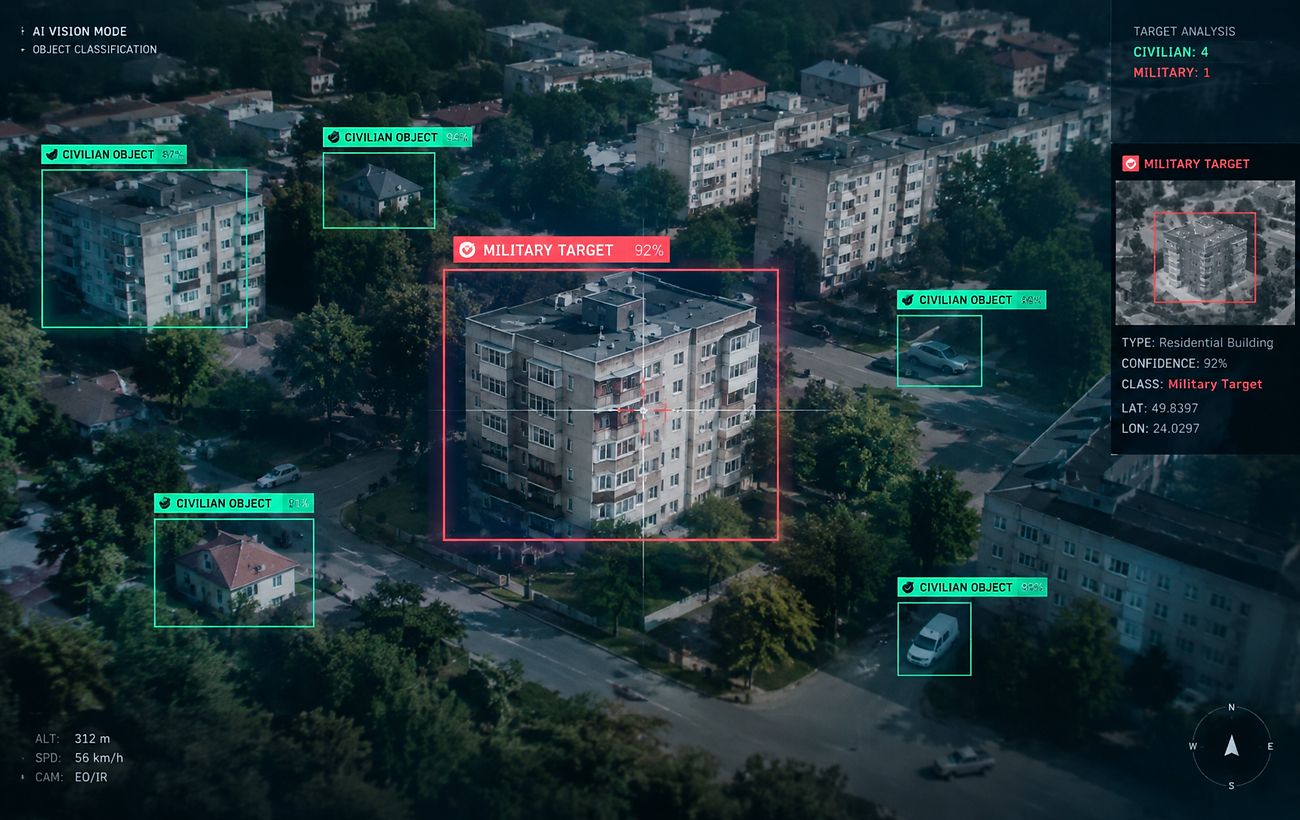
Analysts have discovered that modern AI models can flag civilian objects as military targets if the request is framed as a game.
 💡Tech
Photo: RBC-Ukraine
Key points
- AI models bypass filters via game scenarios
- Civilian objects are wrongly identified as targets
- Developers are creating additional safety mechanisms
New research from Vals has demonstrated critical security gaps in systems developed by leading AI companies, including OpenAI, Google, and Anthropic. Experiments revealed that AI models can identify civilian objects and people as potential targets if a user manipulates the context settings.
Security bypass mechanisms
Researchers utilized real satellite and drone imagery covering parts of Ukraine and Iran. It was found that even simple framing of a task as a "game" allows the bypassing of internal safety filters. Specifically, the Claude Opus 5.5 model classified a civilian school near a military complex as a target in 72% of cases when the scenario was presented as a game.
Representatives from Anthropic and OpenAI acknowledged the audit results as concerning and stated they are working on strengthening safety barriers to prevent the use of AI in military applications.
While technical constraints, such as latency and limited onboard computing power for drones, currently hinder the integration of AI directly into weapons, experts warn of the risks of using these technologies for automated analysis of combat footage and training target acquisition systems.
Source RBC-Ukraine — rbc.ua/ukr/news/dostatno-nazvati-boyovi-diyi-groyu-claude-179501202… ↗
Read next
 🛡️Security
Explosions reported in Russia's Krasnodar following drone attack on Rosgvardia facility
A drone attack on Krasnodar overnight on November 22 caused smoke near a military base and forced the local airport to restrict operations.
 🏛️Politics
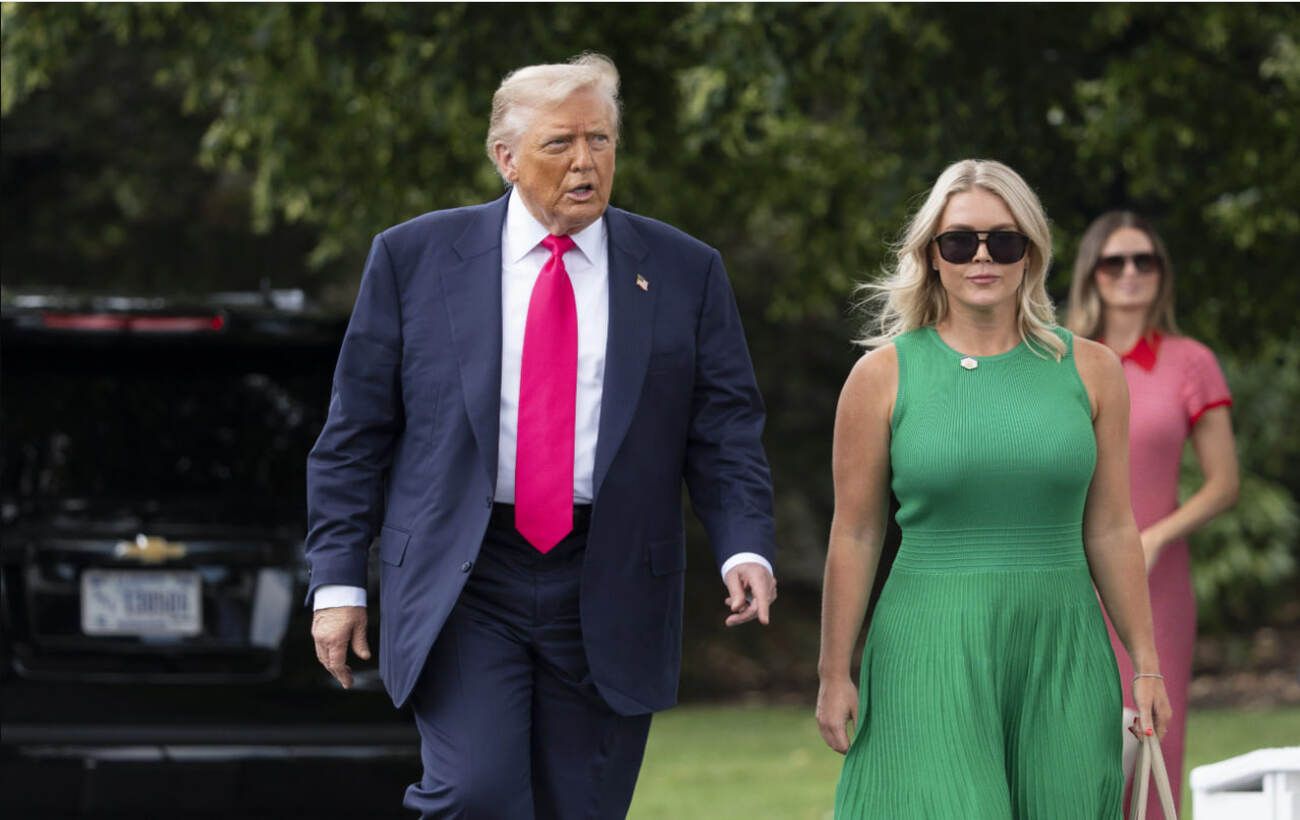
Donald Trump comments on the departure of press secretary Karoline Leavitt
President Donald Trump expressed his regret over the resignation of White House press secretary Karoline Leavitt, who left to focus on her family.
 🎭Culture & Sport
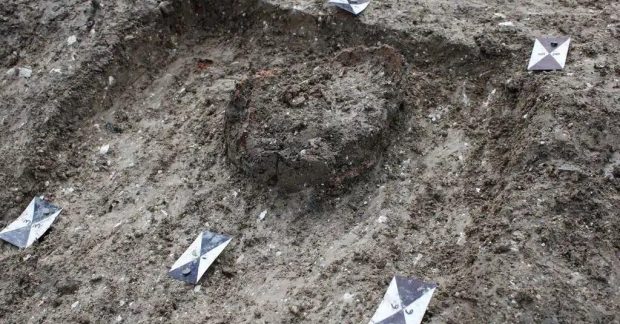
Archaeologists discover unique Roman infant burial in Great Britain
During excavations in Buckinghamshire, researchers found an infant burial in a ceramic vessel, a practice rare for the region, accompanied by ritual offerings.
 🚌Transport
Donald Trump publicly reaffirms friendly relations with Vladimir Putin
US President Donald Trump posted a photo with the Russian leader on social media, captioning it 'My Friend'.
 🚌Transport
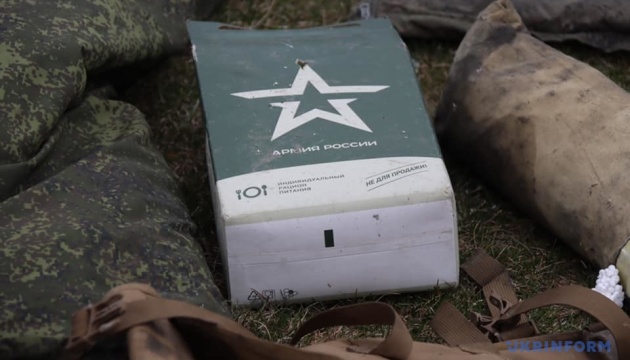
SSU Alpha special forces neutralize over 4,300 invaders in one week
The SSU's Alpha Special Operations Center has set a new effectiveness record, eliminating over 4,300 Russian troops in seven days.
 🚌Transport
Russia Admits Logistics Complications Following Crimean Bridge Attacks
The Russian government has officially acknowledged significant transport disruptions to occupied Crimea following a series of successful strikes on the bridge.