Hidden risks in a bottle: why uncontrolled vitamin D intake can harm your health
Medical experts warn about the risks of excessive vitamin D consumption during the cold season and advise consulting doctors before taking supplements.
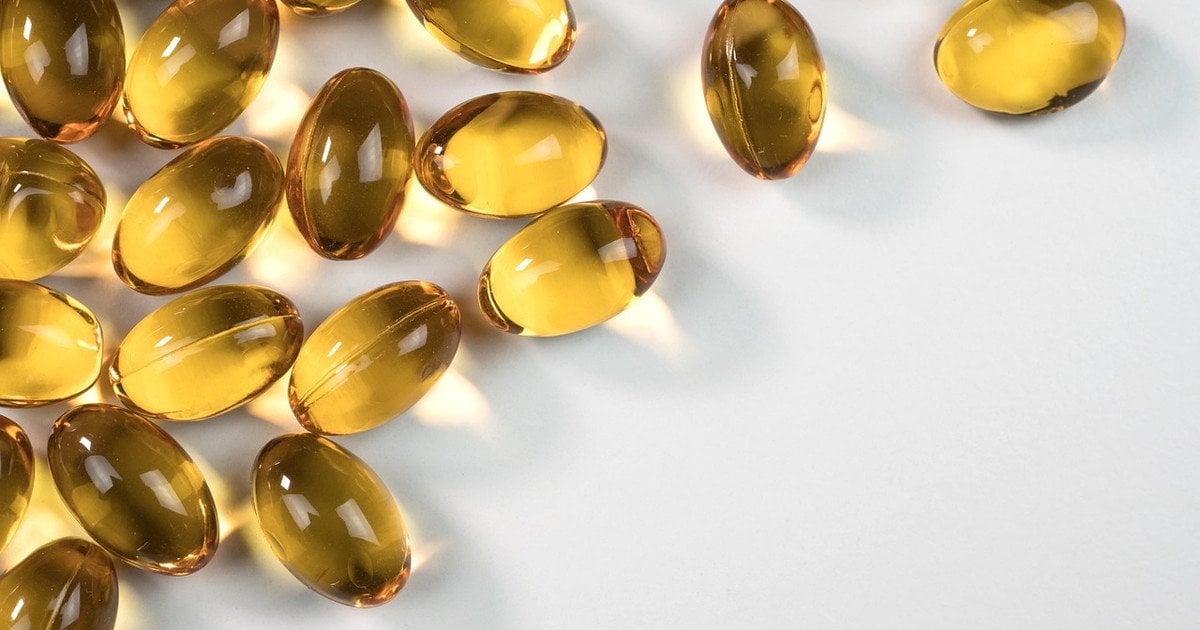 🩺Health
Photo: TSN
Key points
- Vitamin D overdose is dangerous because it accumulates in the body
- The upper safe limit of daily intake for adults is 4000 IU
- Supplements should ideally be taken with meals containing fats
With the onset of the autumn and winter season, residents often think about boosting their immunity and start taking various vitamin complexes on their own. The so-called "sunshine vitamin," which the body produces in very small quantities on cloudy days, gains particular popularity. However, dietitians warn that mindless capsule consumption without prior expert consultation can lead to serious health problems rather than wellness.
Why deficiency occurs and how supplements work
During the warm season, the human body usually manages to store a certain amount of this vital element, but these reserves gradually deplete. The lowest levels are typically recorded at the end of winter. Experts explain that there is no universal dose for everyone, as needs depend on age, daily diet, and chronic conditions. For instance, older adults or those who rarely spend time outdoors are at higher risk of deficiency, while healthy individuals usually do not need to constantly test their blood levels without symptoms.
A common mistake is believing that a larger dose brings faster and better results. An average healthy adult needs about 600 international units per day, considering both food and supplements, while the upper safe limit for daily intake is 4000 IU. Because this element is fat-soluble, it accumulates in the body, and excess amounts can eventually become toxic.
Rules for safe consumption during cold months
Specialists advise carefully choosing supplement forms and paying attention to how they are consumed. Specifically, fat-soluble compounds are better absorbed when taken with meals containing healthy fats, such as eggs or fish during breakfast. Meanwhile, the time of day does not significantly impact overall effectiveness.
"The need for supplements and their dosage should be determined based on individual characteristics," nutrition experts emphasize.
Before starting any vitamin course, citizens are advised to consult a family doctor, especially if they have kidney, liver, or bone health issues. Natural sources remain quality fish, eggs, and fortified foods, although meeting all nutritional needs through diet alone during cold months is not always possible.
Source TSN — tsn.ua/zdorovya/vitamin-d-moze-nashkodyty-eksperty-poperedyly-pro-ryzyk… ↗
Read next
 💡Tech
Kitchen Ergonomics: Why Massive Dining Tables Are Going Out of Style
Interior designers suggest moving away from bulky dining sets in favor of compact, café-style arrangements.
 🛡️Security
Explosions reported in Russia's Krasnodar following drone attack on Rosgvardia facility
A drone attack on Krasnodar overnight on November 22 caused smoke near a military base and forced the local airport to restrict operations.
 🏛️Politics
Donald Trump comments on the departure of press secretary Karoline Leavitt
President Donald Trump expressed his regret over the resignation of White House press secretary Karoline Leavitt, who left to focus on her family.
 🎭Culture & Sport
Archaeologists discover unique Roman infant burial in Great Britain
During excavations in Buckinghamshire, researchers found an infant burial in a ceramic vessel, a practice rare for the region, accompanied by ritual offerings.
 🚌Transport
Donald Trump publicly reaffirms friendly relations with Vladimir Putin
US President Donald Trump posted a photo with the Russian leader on social media, captioning it 'My Friend'.
 🚌Transport
SSU Alpha special forces neutralize over 4,300 invaders in one week
The SSU's Alpha Special Operations Center has set a new effectiveness record, eliminating over 4,300 Russian troops in seven days.