Energy Security at Risk: How Price Caps Stifle Investment in Generation
Rigid price regulations in the electricity market are preventing investment in new capacities and energy storage systems, which are critical for grid stability.
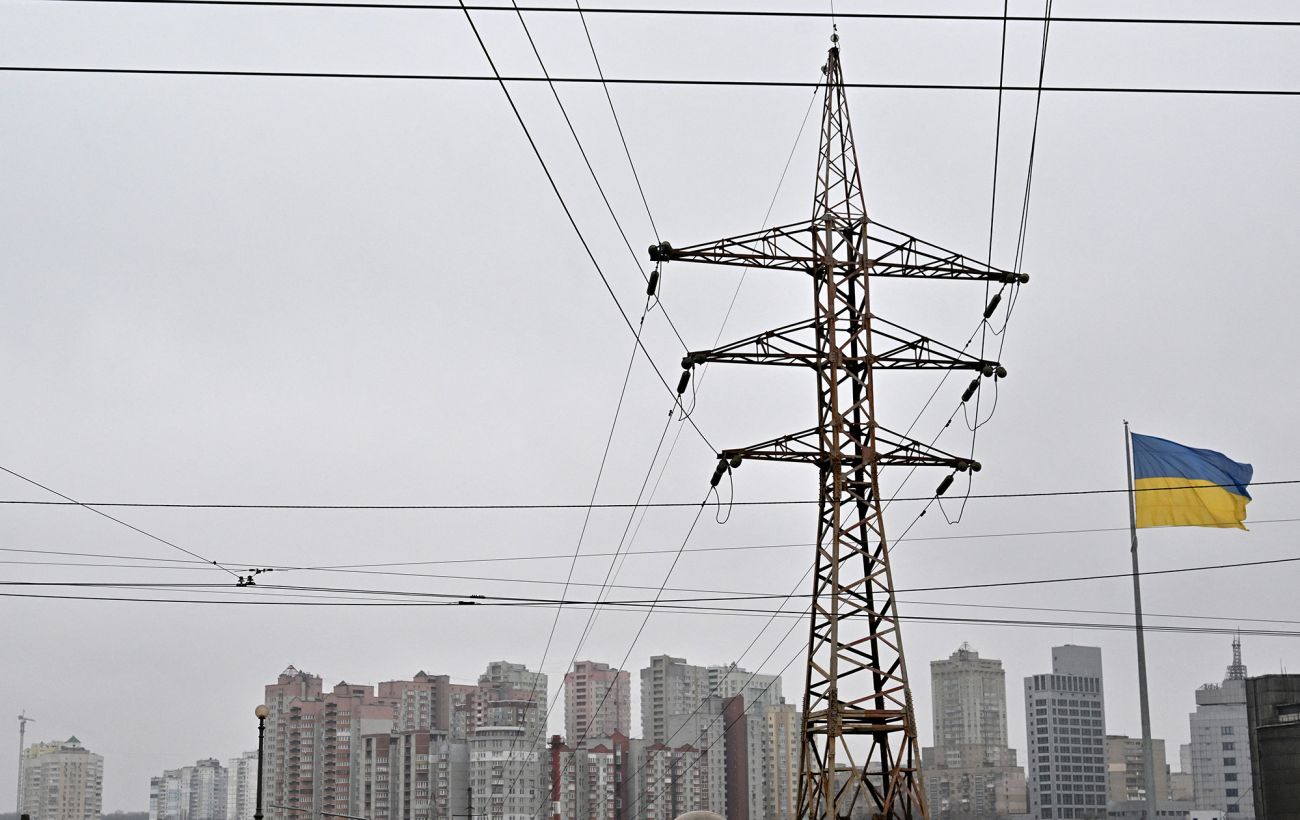 💼Economy
Photo: RBC-Ukraine
Key points
- Rigid price caps make new generation and energy storage systems unprofitable.
- NEURC maintains limits at 15-17k UAH/MWh, while businesses request at least 18k.
- The International Energy Agency warns that price policies are restricting electricity imports.
The Ukrainian energy sector faces a significant challenge that could hinder the restoration and modernization of infrastructure following massive attacks. Experts identify rigid price caps—state-mandated maximum prices for electricity—as the primary obstacle to attracting private capital. This policy makes the creation of new generation facilities and energy storage systems economically unviable.
Administrative Barriers and Market Reality
Vyacheslav Ivanytskyi, Director for International Cooperation and Investment at KIEP JSC, notes that manual price regulation effectively blocks market mechanisms. According to him, classic market arbitrage, which forms the basis of profitability for energy storage systems, is becoming unprofitable in Ukraine. "Artificial price limitation not only prevents the launch of market mechanisms but also cuts the income of enterprises," the expert emphasizes, adding that production costs often exceed the established limits.
Currently, the NEURC maintains price caps at 15,000 UAH/MWh for the day-ahead and intraday markets, and 17,000 UAH/MWh for the balancing market. Experts believe these restrictions complicate not only the attraction of new investments but also the ongoing operation of existing plants and their recovery after damage.
Business Demands and International Recommendations
The Federation of Employers of the Fuel and Energy Complex of Ukraine (FRUTEK) has repeatedly called on the regulator to raise maximum price caps to at least 18,000 UAH/MWh. FRUTEK stresses that during the heating season, price frameworks must provide economic conditions for the operation of maneuvering capacities, which are critical for system balancing.
This position is supported by the International Energy Agency (IEA). In its "Ukraine's Energy Security 2026" report, the organization pointed out that price limits have, at times, deterred electricity imports. The IEA recommends setting price caps at a level sufficient to attract external resources precisely during hours of peak deficit. Without a revision of pricing approaches, the energy system will remain vulnerable, and investors will continue to avoid the Ukrainian market.
Source RBC-Ukraine — rbc.ua/ukr/news/ruchni-prays-kepi-roblyat-novi-investitsiyi-1795350… ↗
Read next
 🏙️City
Russian missiles breach Polish airspace: details of the incident
Polish officials reported that Russian missiles and a drone fell in the country's southeast, describing the event as a deliberate provocation.
 🏙️City
How to prepare windows for winter: a Scandinavian method to stop drafts
Residents of Kovel are offered a simple way to improve home thermal insulation using household items.
 🏙️City
Polish investigators identify Russian missiles that violated the country's airspace
The Polish prosecutor's office has determined that three Russian Kh-101 cruise missiles that violated Polish airspace were manufactured in late 2026.
 🛡️Security
Aftermath of the Russian attack on Dymer: death toll rises to seven
Rescuers have recovered another body from the rubble of a destroyed building in Dymer. Search and rescue operations are ongoing.
 💡Tech
Donald Trump threatens Iran with military strikes if diplomatic progress fails
US President Donald Trump has warned of potential military action against Iran after the New Year, dismissing current diplomatic efforts as ineffective.
 🚨Events
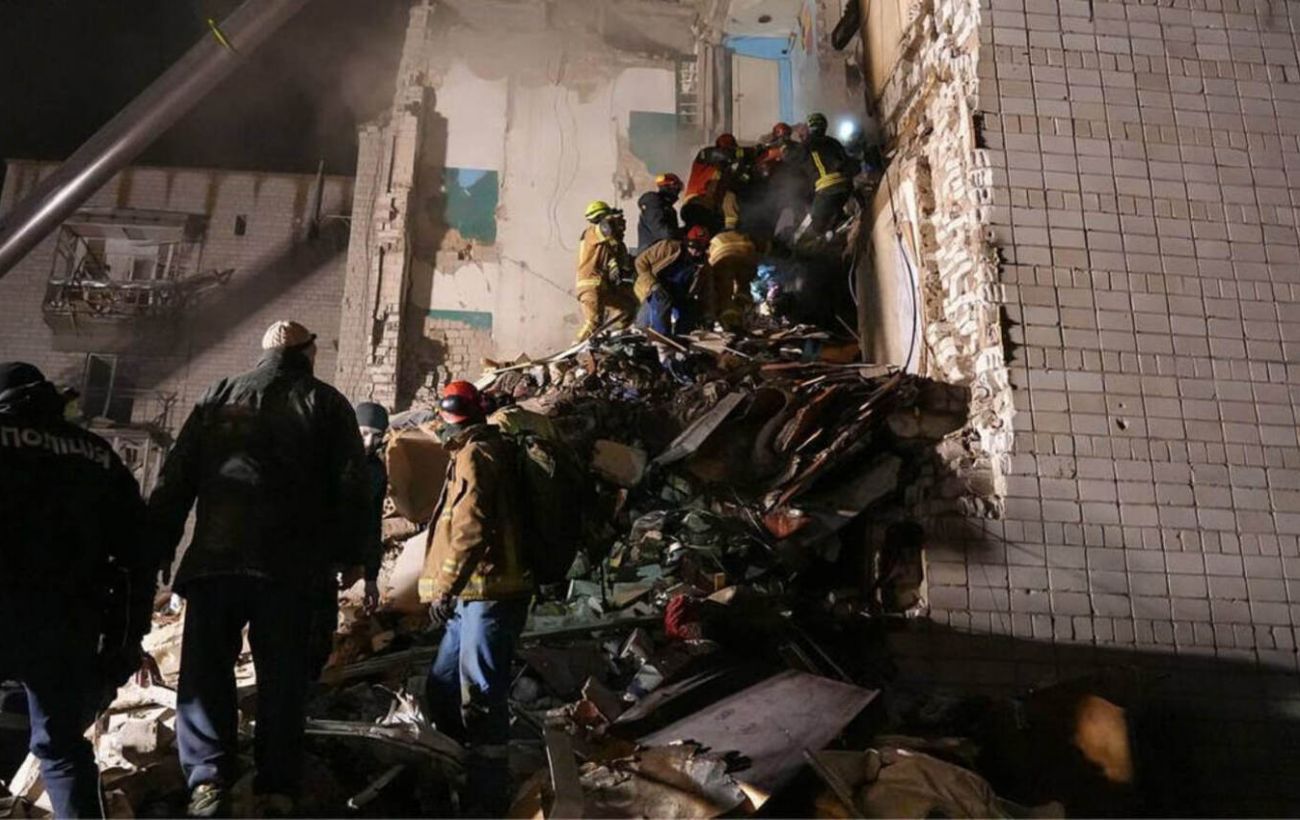
Tragedy in Dymer: Death Toll Rises to Six Following Drone Strike
Rescuers have recovered another body from the rubble of a five-story residential building in Dymer, Kyiv region. The search operation is ongoing.